11 Ways Metal Roofs Stand Up to Extreme Weather
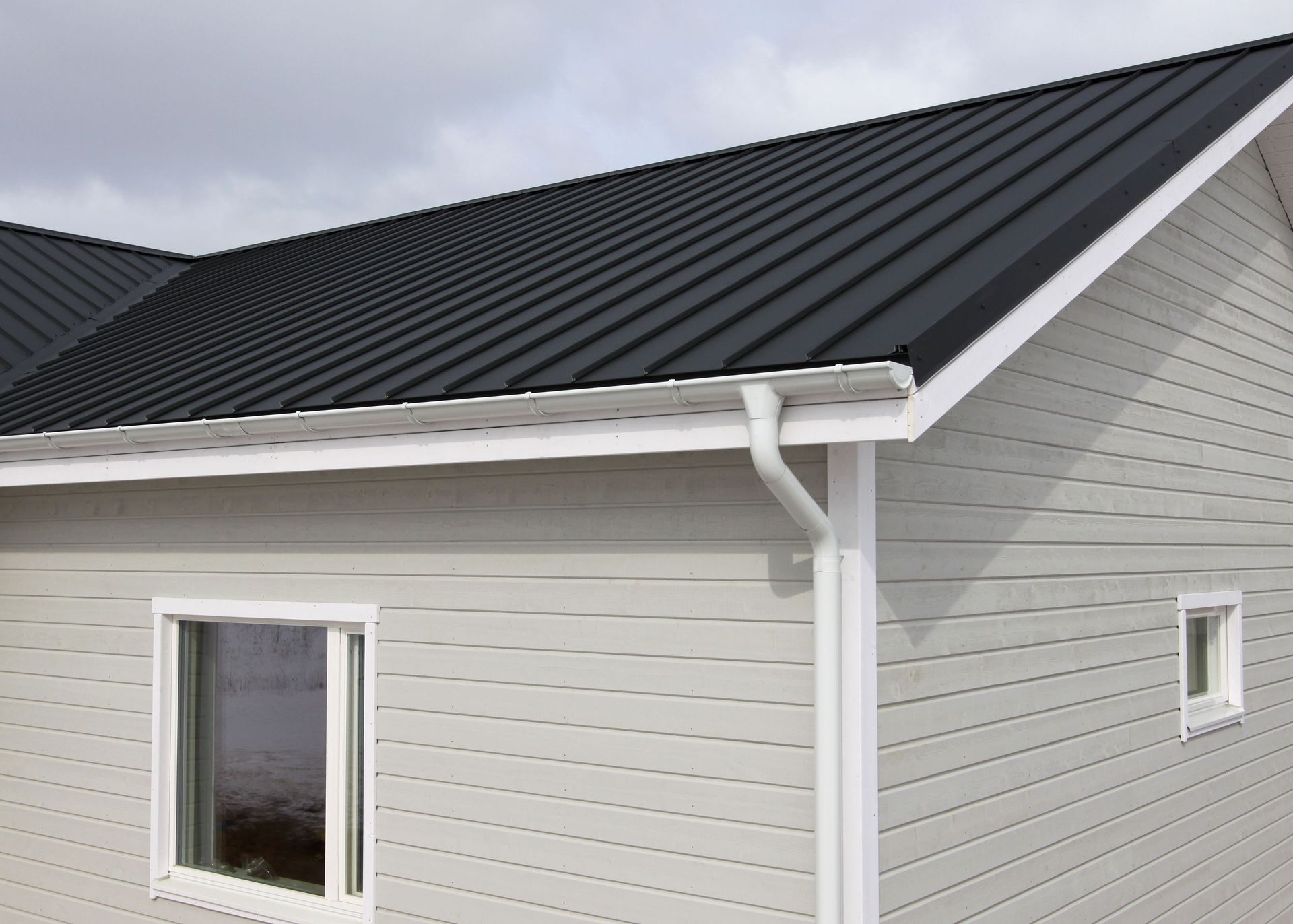
Metal roofing has become a popular choice for homeowners who want durability, longevity, and reliable protection against harsh conditions. From high winds to scorching heat, roofs take the brunt of extreme weather year after year. Choosing the right material can make a noticeable difference in how well a home holds up over time. Metal roofs are known for their strength and resilience, making them a smart option in many climates. In this article, we will explore how metal roofs perform in demanding weather conditions and why they continue to stand out among roofing materials.
1. Withstanding High Winds
One of the biggest advantages of metal roofs is their ability to handle strong winds. Many metal roofing systems are engineered to resist wind speeds of up to 140 miles per hour or more, depending on installation and design. This makes them especially valuable in areas prone to hurricanes, tornadoes, or severe storms.
Unlike traditional shingles that can lift, curl, or blow off, metal panels are often installed in large sections with secure fasteners. This design reduces the number of vulnerable points where wind can get underneath the material. A properly installed metal roof by a local roofer can help prevent costly damage during extreme weather events.
2. Resisting Heavy Rain and Moisture
Heavy rain can lead to leaks, water intrusion, and long-term structural damage if a roof is not designed to handle it effectively. Metal roofs feature interlocking panels that create a tight seal, helping water flow smoothly off the surface.
Additionally, metal is naturally resistant to rot, mildew, and mold. This makes it an excellent option for regions that experience frequent rain or high humidity. When installed correctly, a metal roof provides reliable protection against moisture-related issues that often affect other materials over time.
3. Standing Up to Extreme Heat
Hot climates can cause roofing materials to expand, crack, or degrade over time. Metal roofs are designed to handle high temperatures without losing their integrity. Many metal roofing systems include reflective coatings that reduce heat absorption, helping keep homes cooler.
By reflecting solar radiation rather than absorbing it, metal roofs can also contribute to improved energy efficiency. This can lead to lower cooling costs during the hottest months of the year. Homeowners looking for long-term performance often turn to metal for its ability to handle intense sunlight and heat exposure.
4. Providing Fire Resistance
Wildfires and accidental fires are a concern in many regions, especially during dry seasons. Metal roofs offer a high level of fire resistance, as they are non-combustible and do not ignite when exposed to flames or embers.
This feature can add an extra layer of protection for homes located in fire-prone areas. While no roofing material can eliminate all fire risks, metal roofing provides a strong defense compared to materials like wood shakes or certain types of shingles. A local roofer can help select fire-rated options that meet regional safety standards.
5. Enduring Hail Impact
Hailstorms can cause serious damage to roofs, leading to dents, cracks, and weakened materials. Metal roofs are known for their durability when it comes to impact resistance. Many systems are tested and rated for their ability to withstand hail without significant damage.
The thickness and type of metal used can influence how well a roof performs during hailstorms. Steel and aluminum options are commonly chosen for their strength and resilience. While cosmetic dents may occur in some cases, the structural integrity of the roof typically remains intact, offering long-lasting protection.
6. Preventing Corrosion and Rust
Exposure to moisture and environmental elements can lead to corrosion in certain materials. Modern metal roofs are designed with protective coatings that help prevent rust and deterioration. These coatings act as a barrier against water, salt, and pollutants.
Galvanized steel, for example, is treated with a zinc layer that adds extra protection. Aluminum is naturally resistant to corrosion, making it a popular choice in coastal areas where salt exposure is a concern. With proper installation and maintenance, metal roofs can maintain their appearance and performance for decades.
7. Maintaining Structural Integrity Over Time
Extreme weather can weaken roofing materials, causing them to break down faster than expected. Metal roofs are known for their strength and ability to maintain structural integrity even after repeated exposure to harsh conditions.
According to Today’s Homeowner, metal roofs last over 50 years, with some surpassing 80 years. This longevity makes them a reliable option for homeowners who want a roof that can stand up to the elements year after year. A local roofer can provide guidance on selecting high-quality materials that align with long-term goals.
8. Reducing Maintenance Needs
Frequent repairs can become costly and time-consuming, especially in areas with unpredictable weather. Metal roofs generally require less maintenance compared to other materials. Their durability means fewer issues such as cracking, warping, or missing sections.
Routine inspections and basic upkeep can help keep a metal roof in excellent condition. This lower maintenance requirement makes it an appealing choice for homeowners who want dependable performance without constant attention.
9. Adapting to Temperature Fluctuations
In regions where temperatures shift dramatically between seasons or even within a single day, roofing materials must be able to expand and contract without damage. Metal roofs are designed to accommodate these changes.
The flexibility of metal allows it to adjust to temperature fluctuations without cracking or breaking. Proper installation techniques, such as allowing for thermal movement, play a key role in maintaining performance. Working with a skilled local roofer helps confirm that the roof is installed with these considerations in mind.
10. Supporting Sustainable and Energy-Efficient Living
Extreme weather often goes hand in hand with energy challenges, especially during heatwaves or cold snaps. Metal roofs can support energy efficiency through reflective properties and compatibility with insulation systems.
Many metal roofing materials are also recyclable, making them a more sustainable option compared to traditional materials that end up in landfills. This combination of durability and environmental benefits makes metal roofs a forward-thinking choice for homeowners who want both performance and sustainability.
11. Offering Versatile Design Options
While durability is a key focus, appearance also matters to homeowners. Metal roofs are available in a wide range of styles, colors, and finishes, allowing them to complement different architectural designs.
Whether a home has a modern, traditional, or rustic look, metal roofing can be tailored to match. This versatility means homeowners do not have to sacrifice style for strength. In addition, many metal roofing products are designed to mimic the look of materials like slate, tile, or wood, giving homeowners even more flexibility in achieving their desired aesthetic. These options make it easier to maintain curb appeal while still benefiting from the durability metal provides. A local roofer can help explore design options that align with both aesthetic preferences and functional needs.
Metal roofs offer a powerful combination of strength, longevity, and weather resistance that makes them a standout choice for homeowners facing extreme conditions. Their ability to handle environmental challenges while maintaining durability and efficiency sets them apart from many traditional materials. If you are considering an upgrade, working with our team at Morrison Roofing & Solar can help you explore metal roofing options that fit your home and climate while providing lasting protection for years to come.
Share On: